

Legal Aid Expert Witness

Tribunals & Courts

Tribunals and courts

We provide expert evidence for legally aided asylum and immigration proceedings across England and Wales, Scotland, and Northern Ireland.

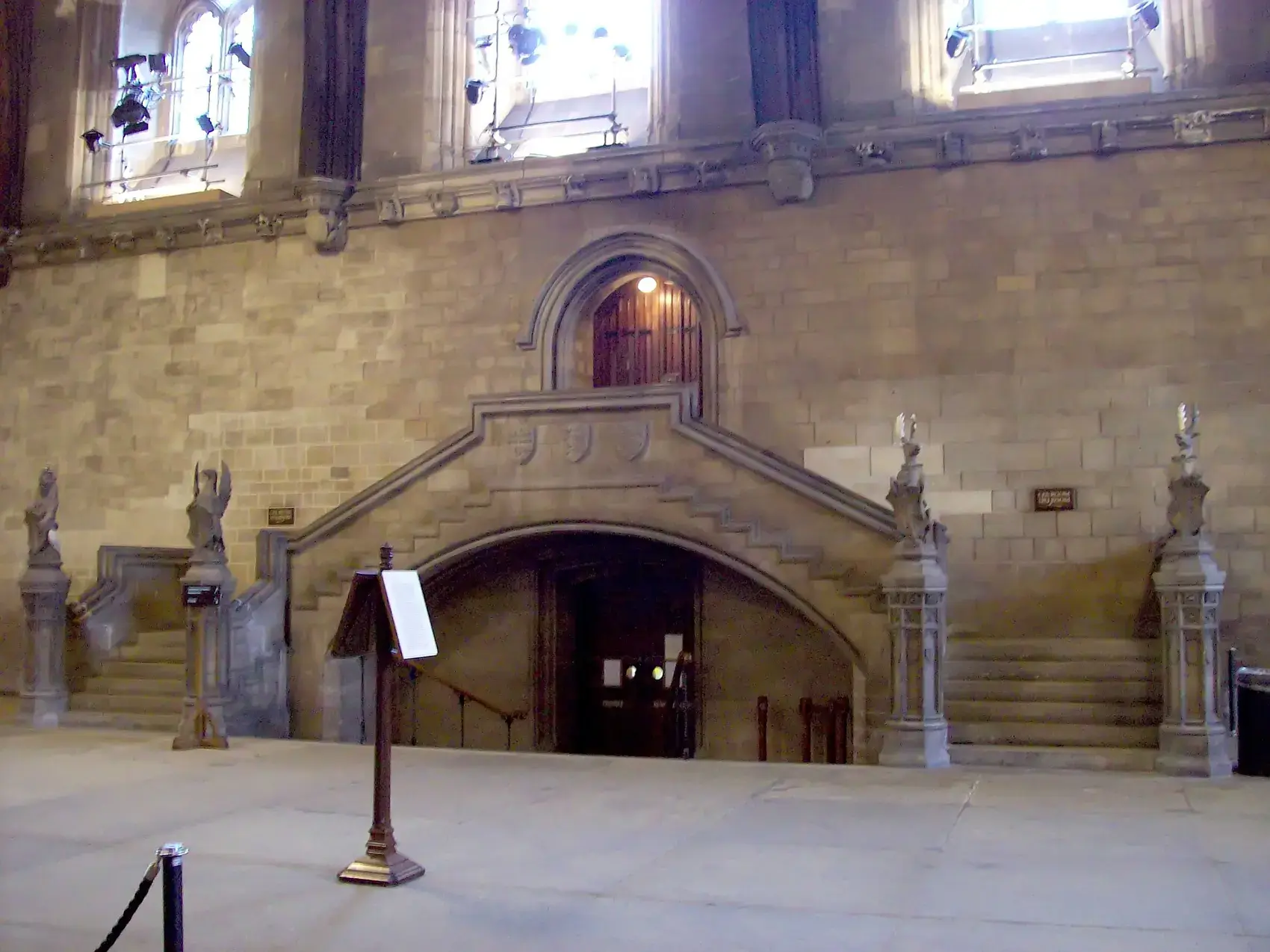
The great window and steps at the south end of Westminster Hall
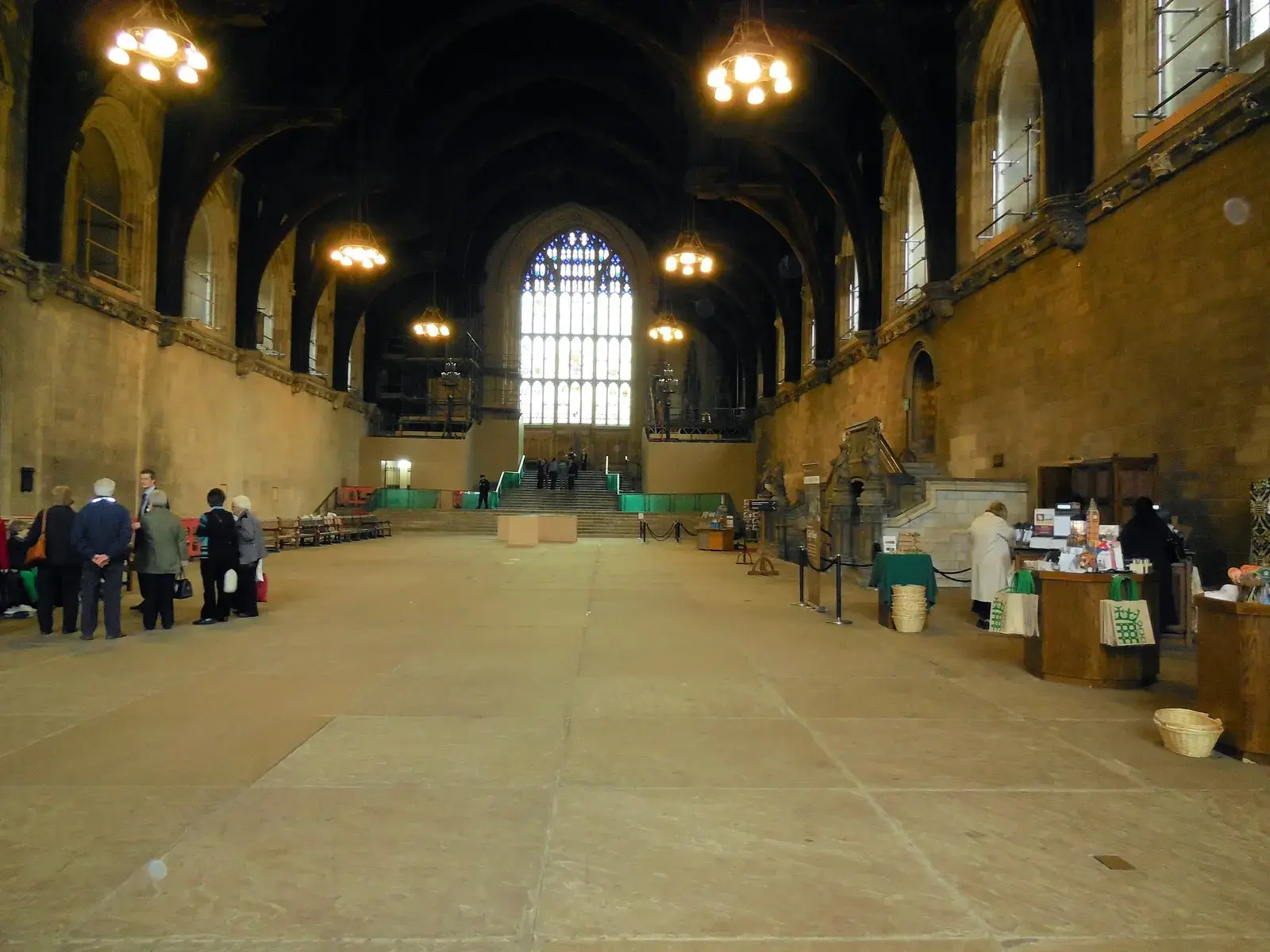
Visitors beneath the hammerbeam roof of Westminster Hall
Westminster Hall
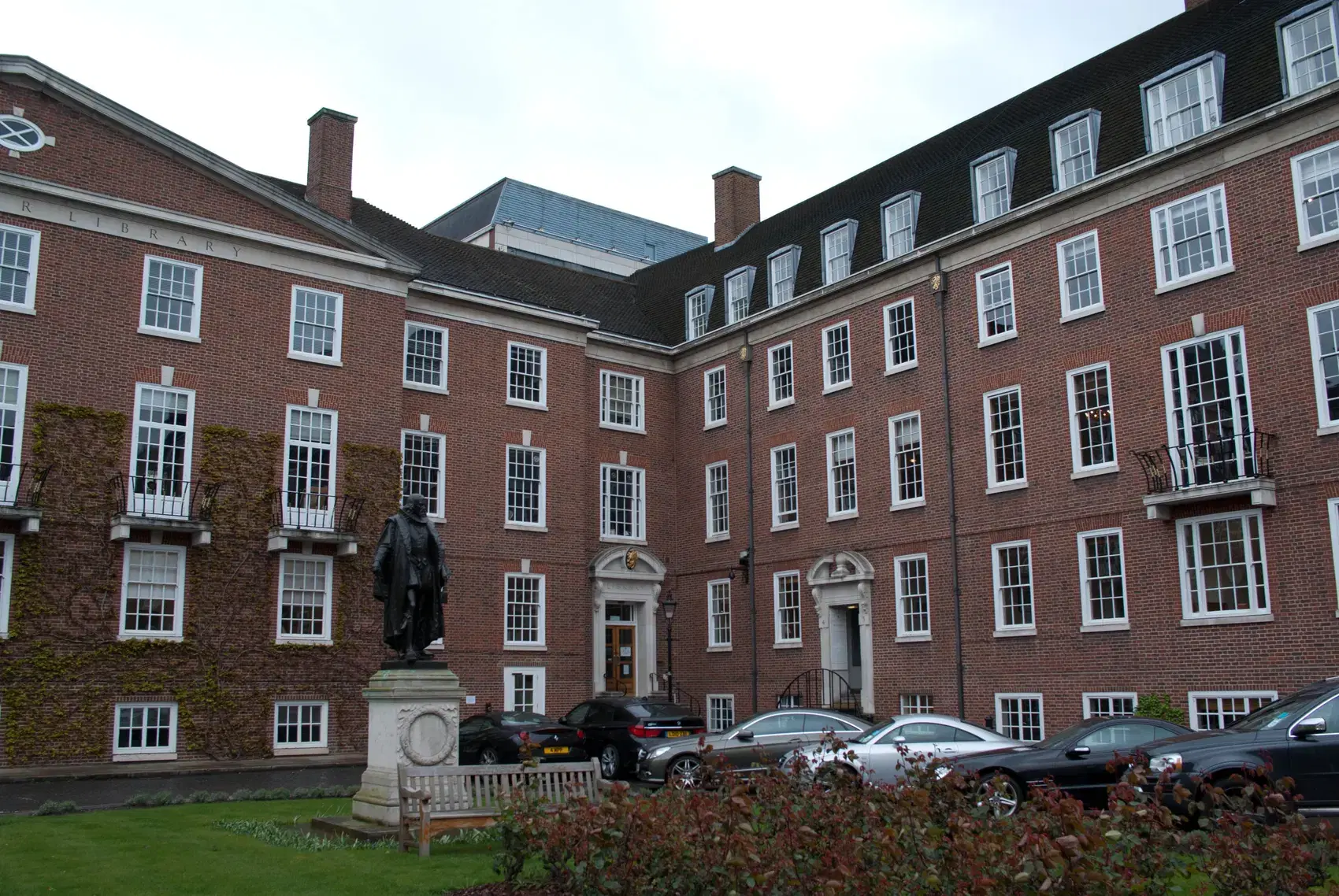
The statue of Francis Bacon in front of the library at Gray's Inn
Gray's Inn
The griffin on the Temple Bar memorial, where the Strand meets Fleet Street
Temple Bar

Coverage

Legal Aid Expert Witness accepts instructions for asylum and immigration proceedings before the Immigration and Asylum Chamber. Our reports are structured for the Legal Aid Agency funding framework.

England and Wales

Asylum and immigration appeals are heard by the First-tier Tribunal (Immigration and Asylum Chamber), with onward appeals to the Upper Tribunal. Expert reports must meet the procedural requirements of the Tribunal Procedure Rules and Practice Direction 12.

  • Legal Aid Agency funding via Controlled Work and Certificated Work schemes
  • CPR Part 35 and FPR Part 25 expert report standards
  • Home Office Country Policy and Information Notes (CPIN) engagement where relevant

Scotland

Immigration and asylum matters in Scotland are heard by the same UK-wide tribunal structure. Scottish legal aid is administered separately by the Scottish Legal Aid Board. We scope reports to meet SLAB funding requirements where cases are certificated in Scotland.

  • Scottish Legal Aid Board funding framework where applicable
  • Reports formatted for the Immigration and Asylum Chamber regardless of hearing location
  • Engagement with Scottish practitioner requirements on instruction

Northern Ireland

Asylum and immigration appeals in Northern Ireland are determined by the First-tier Tribunal and Upper Tribunal (Immigration and Asylum Chamber). The Legal Aid Agency administers funding for legally aided cases in Northern Ireland.

  • LAA funding and prior authority requirements as in England and Wales
  • Tribunal-ready evidence for Belfast and remote hearings
  • Country condition analysis aligned with UK-wide tribunal guidance

Expert's Overriding Duty: Practice Direction 12

Under Practice Direction 12 of the First-tier Tribunal Procedure Rules, an expert's duty is to the tribunal, not to the party instructing them. This duty overrides any obligation to the instructing solicitor or legally aided client. Reports must state this duty explicitly and present objective analysis independent of the outcome sought.

Our reports comply with CPR Part 35 (Civil Procedure Rules) and FPR Part 25 (Family Procedure Rules) expert evidence standards, ensuring consistency across immigration, asylum, and related tribunal proceedings.

Tribunal Evidentiary Standards

First-tier Tribunal (Immigration and Asylum Chamber)

The primary venue for asylum, human rights, and immigration appeals. Expert reports must address country condition evidence, persecution risk, and credibility factors with clear source attribution.

Structural Requirements

  • Reports formatted for oral examination and cross-examination
  • Explicit statement of the expert's overriding duty to the tribunal
  • Source citations with verifiable references
  • Proportionate scope aligned with the specific grounds of appeal

Upper Tribunal (Immigration and Asylum Chamber)

Hears appeals on points of law from First-tier Tribunal decisions. Expert evidence at this level demands rigorous methodology and engagement with country guidance case law.

Structural Requirements

  • Analysis of relevant Upper Tribunal country guidance
  • Engagement with Home Office CPINs where applicable
  • Clear distinction between expert opinion and documented fact
  • Structured appendices for source materials

Source Standards & Appendices

Country-specific findings reference verified sources such as UNHCR guidance, Home Office Country Policy and Information Notes (CPIN), and Upper Tribunal country guidance decisions. Each report documents methodology, source limitations, and areas of uncertainty so the expert can defend their analysis under cross-examination.

LAA Compliance GuideView FAQ